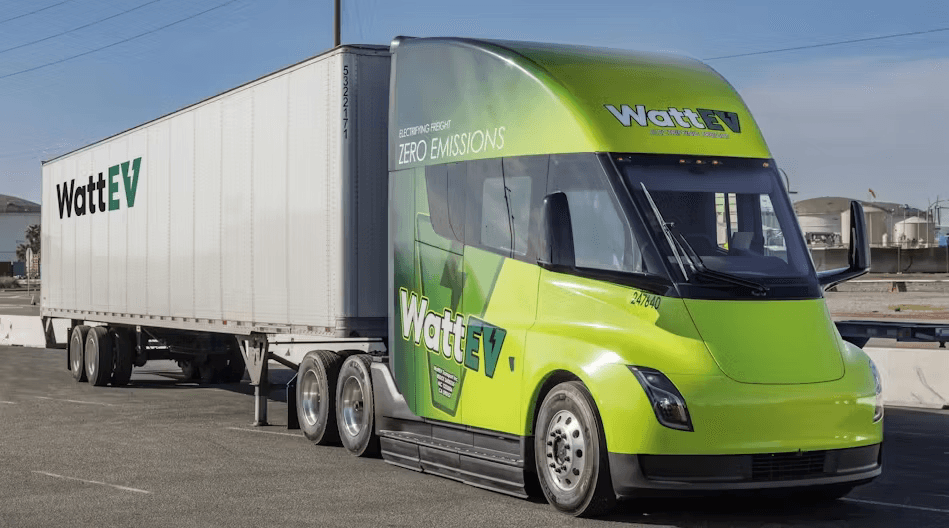
As electric trucking moves beyond pilot programs, the industry is facing a new challenge. The focus is no longer on whether zero-emission freight can move goods. Instead, the question is whether electric truck charging infrastructure can support consistent, large-scale operations.
In real-world freight operations, reliability and scalability depend on how charging sites connect across regions. That system-level connection is defined by network density.
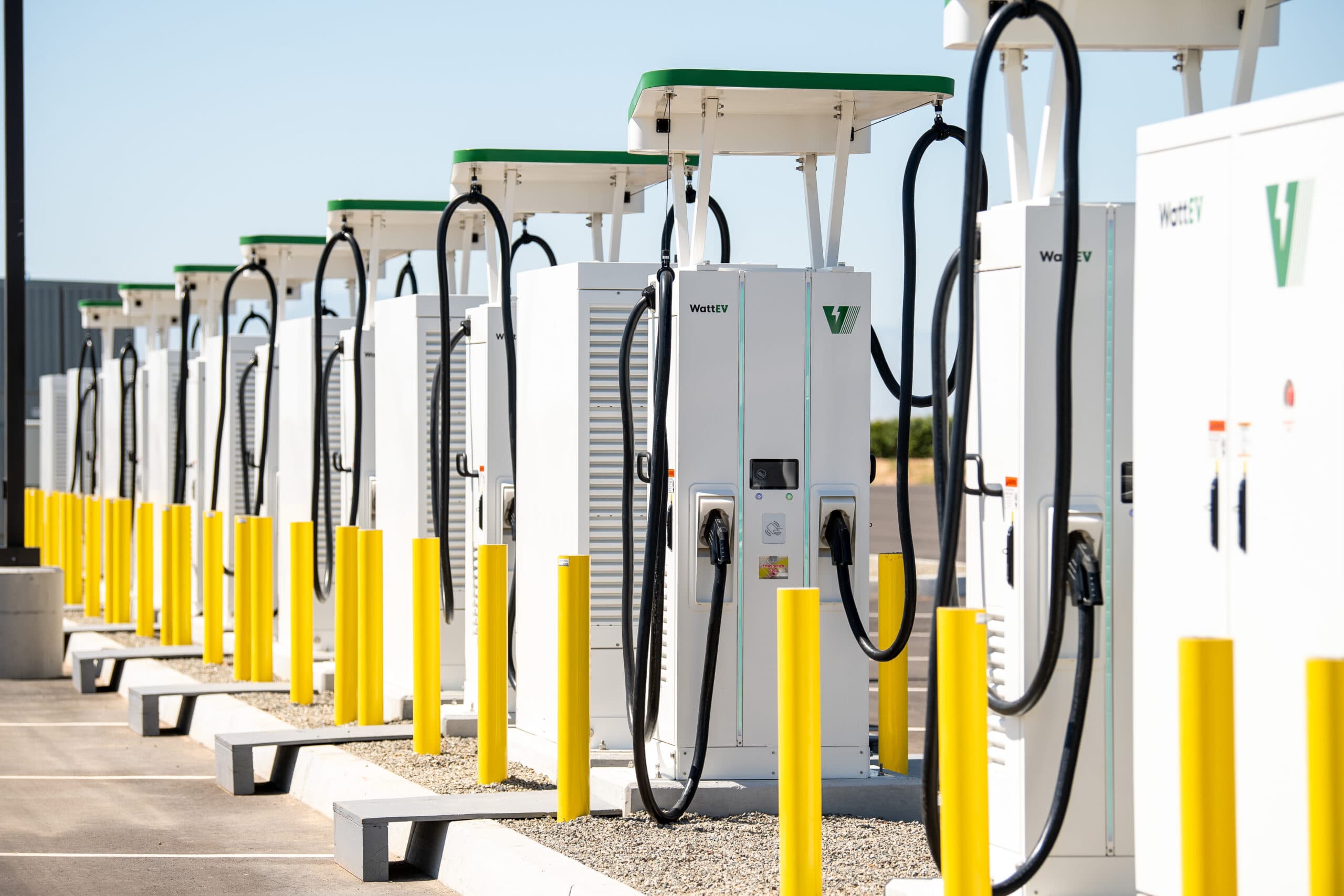
In the context of zero-emission freight, network density refers to the strategic placement and concentration of electric truck charging infrastructure along high-volume freight routes.
At scale, a dense network enables fleets to operate with:
Without sufficient density, electrification remains limited to narrow, controlled use cases rather than full commercial deployment.
In practice, a single charging depot, no matter how advanced, cannot support regional freight operations on its own.
Freight moves across ports, warehouses, distribution centers, and long-haul corridors. For this reason, electric freight corridors require infrastructure designed as a connected system rather than isolated locations.
Well-connected electric truck charging networks allow fleets to:
This system-based approach enables electric freight to function reliably under real operating conditions.
Reliability is a critical requirement in zero-emission freight. Operators measure it through uptime, consistency, and on-time performance.
As a result, network density improves reliability by:
From an infrastructure perspective, reliability is built through intentional network design, not assumptions about individual sites.
Scaling freight electrification requires infrastructure that reflects how freight actually moves.
That includes:
Over time, as network density increases, electric trucks shift from experimental deployments to dependable assets within the supply chain.
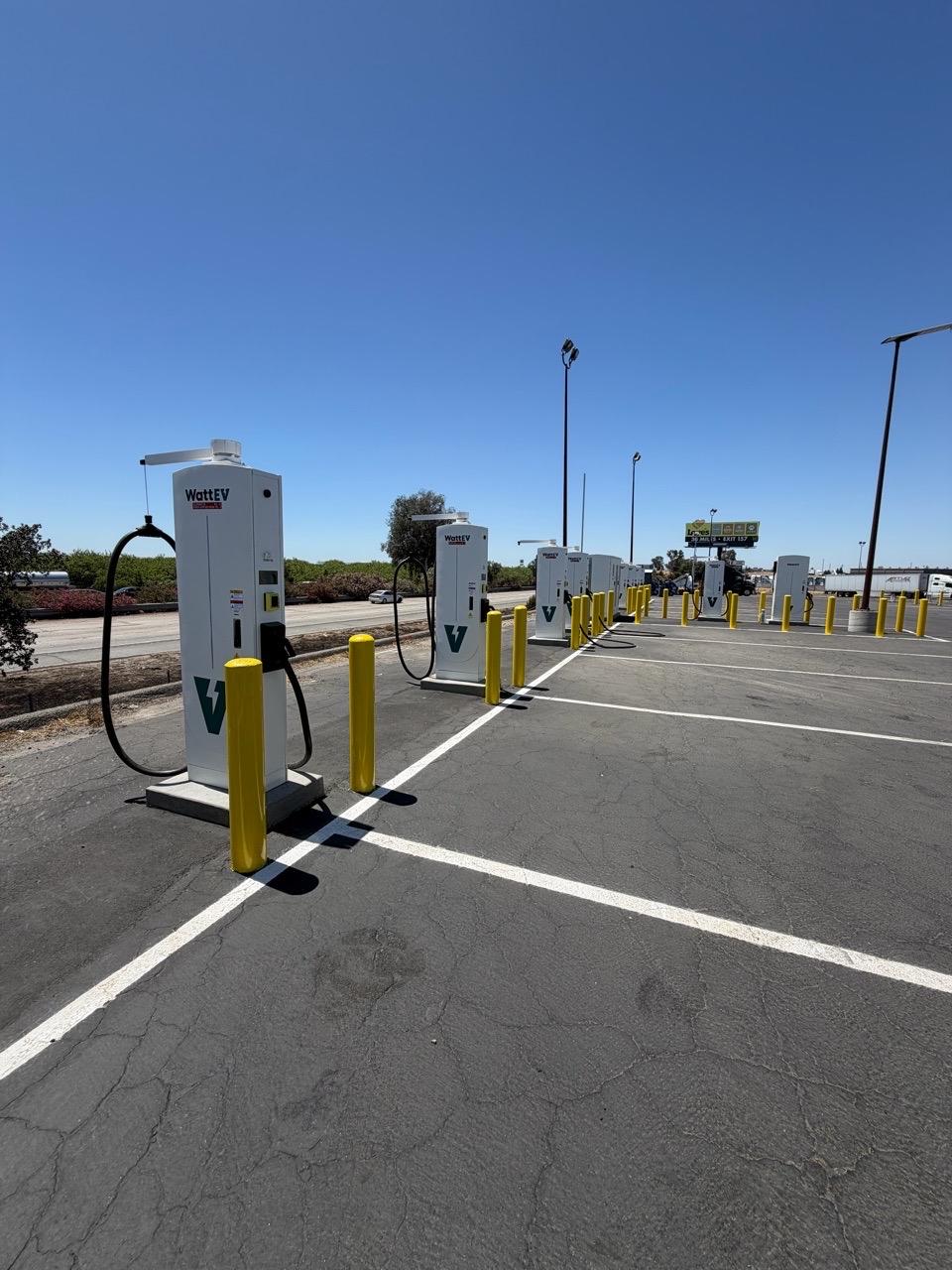
California provides a clear example of why network density matters.
High freight volumes, port activity, and regional distribution centers demand electric truck charging infrastructure that supports continuous movement. Building zero-emission freight corridors across the state depends on connecting charging sites into a cohesive network.
As networks expand, each new site strengthens the overall system rather than operating independently.
The next phase of electric truck charging infrastructure is defined by platforms, not pilots.
From a freight systems standpoint, network density signals:
It marks the transition from testing electrification to embedding it into modern freight operations.
As zero-emission freight continues to scale, progress will be measured by connectivity rather than novelty.
Ultimately, network density is the foundation that allows electric freight to operate reliably, flexibly, and at scale. It transforms electrification from an experiment into infrastructure.
Explore how electric freight corridors are shaping the future of zero-emission transportation across California.