Electric freight is often framed as a transportation challenge. In reality, it is increasingly an infrastructure and power systems challenge.
As fleets electrify and operations scale, the demands placed on energy systems are beginning to resemble those seen in other power-intensive sectors. One of the closest parallels emerging today can be seen in other high-density computing environments, including artificial intelligence infrastructure.
While electric trucks and AI workloads may appear unrelated, both rely on high-density, dynamic power environments that expose the limitations of traditional grid and charging architectures. Understanding this convergence is becoming essential for the future of electric freight operations.
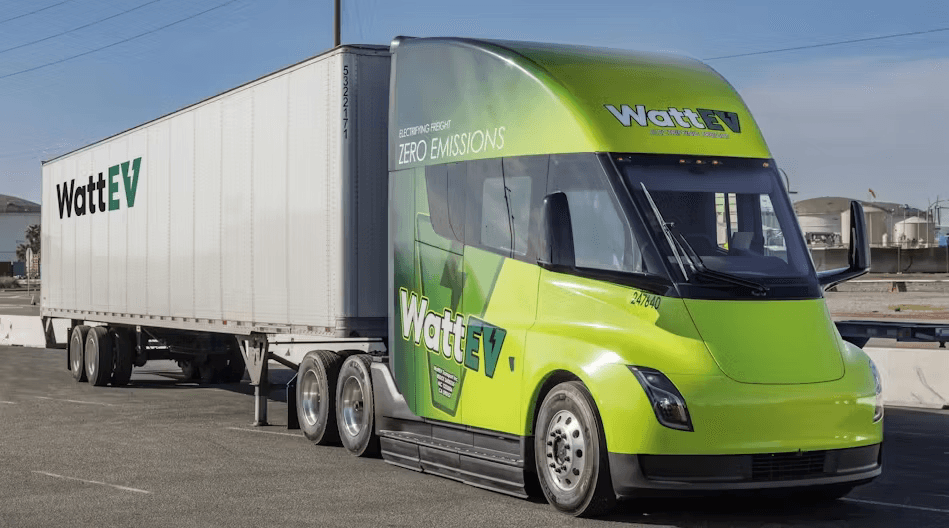
Early electric vehicle deployments were designed around predictable charging patterns and relatively modest power requirements. Heavy-duty electric freight has changed that equation.
Modern electric trucks require:
These requirements introduce power loads that fluctuate rapidly, concentrate demand into short windows, and place significant stress on conventional AC-based infrastructure. In many cases, grid availability and time-to-power have become the primary bottlenecks to deployment.
AI infrastructure faces a remarkably similar set of constraints.
AI compute environments are defined by:
As AI workloads scale, traditional power architectures struggle to efficiently support these conditions. This has accelerated a broader industry shift toward more direct, efficient, and controllable power conversion strategies.
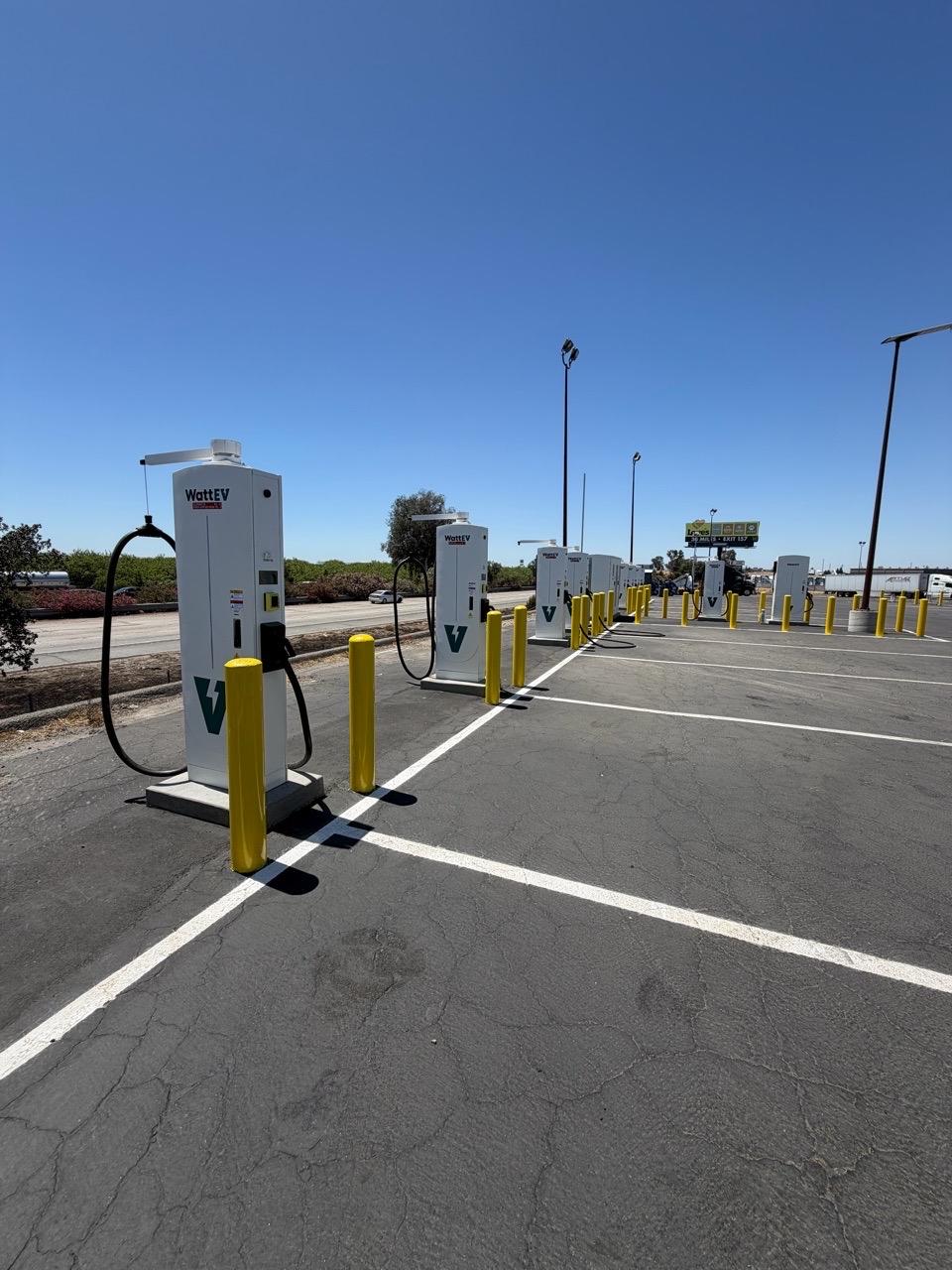
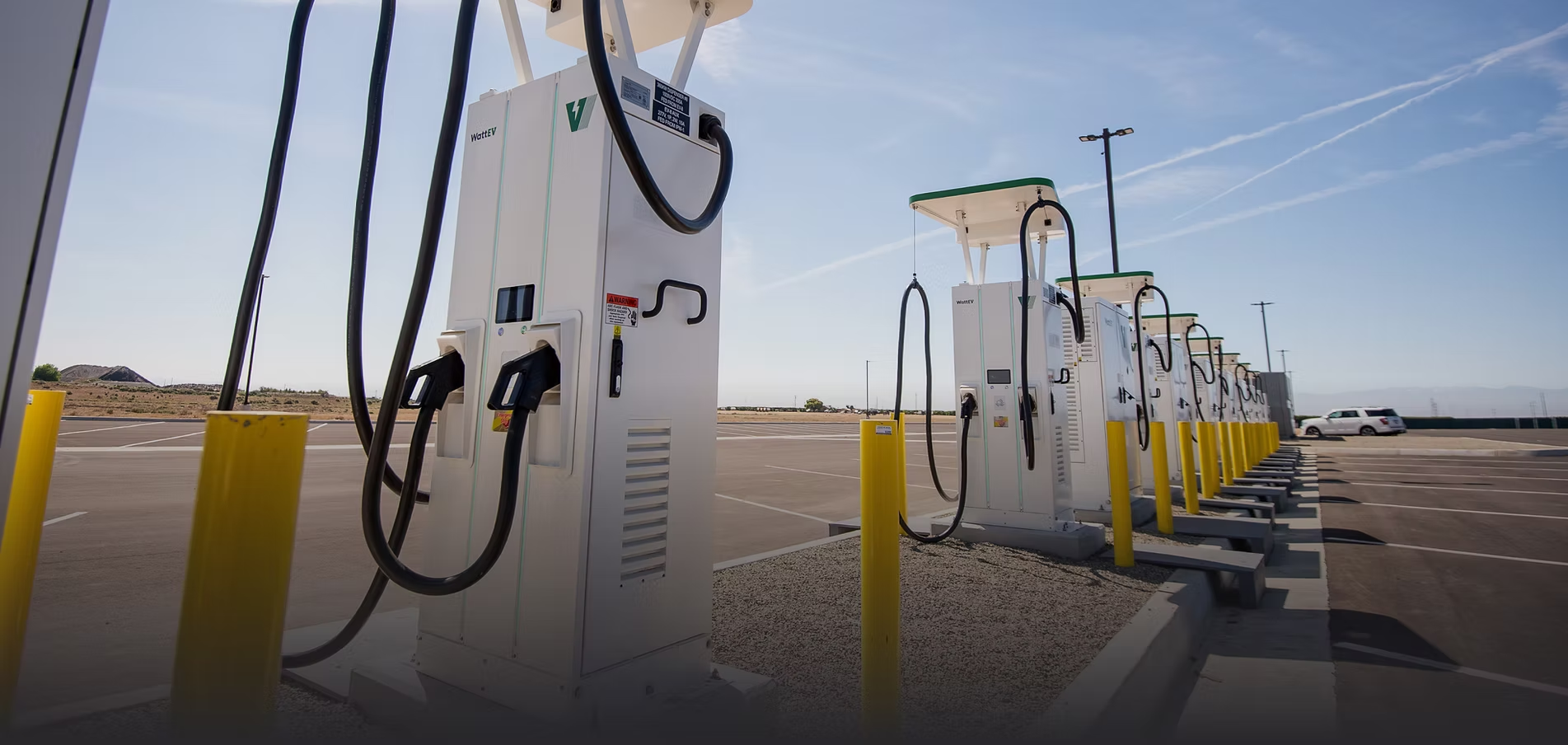
Electric freight is now encountering these same challenges at charging depots, logistics hubs, ports, and major freight corridors.
At scale, electric freight is not constrained by vehicles alone. It is constrained by how efficiently energy can be delivered from the grid to the point of use.
Key challenges include:
Solving these challenges requires more than incremental upgrades. It requires rethinking the power architecture itself.
The most successful electric freight deployments treat charging infrastructure, energy management, and operations as a single integrated system.
This systems-level approach enables:
These same principles are increasingly being applied across other power-intensive industries, reinforcing the idea that electric freight is part of a much broader infrastructure transformation.
As electric freight continues to grow, the winners will be those who can:
Electric freight is no longer just about moving goods with zero emissions. It is about building the next generation of power infrastructure capable of supporting the most demanding applications of the modern economy.
Those who recognize this shift early will be best positioned to lead what comes next.